Truth be told, betting and gambling in general is a win or lose affair. And we all hate losing our hard-earned money and we generally have to use money to make money, not all bets win. However, we may end up causing more harm than good since gambling is unpredictable, we should always be careful and disciplined when it comes to money.
It’s also important to known that we can’t win all our bets and an experienced punter will tell you it’s not easy to maintain a winning streak, if you can’t manage your winning streaks. Majority of punters often lose bets since they didn’t put in the work, which results in your bankroll being diminished since gambling is addictive.
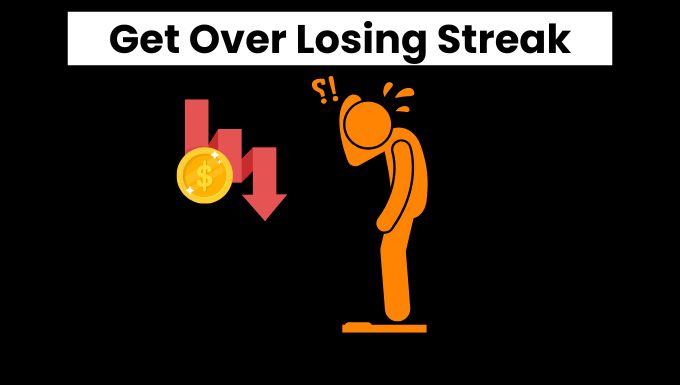
In the online betting industry majority of punters have experienced losing streaks over a very long period of time and they me not consider quitting as an option, its recommended that after a long period of time we should take a break from betting especially if you are losing more than ksh.10,000 a week. We should also understand that betting is not easy we need a lot of mental strength to overcome temptations from bookies offering boosted odds that may affect our judgement.
Master your Favorite Betting Style
There are so many questions we can ask ourselves. Are you a risk taker? Or you love playing it safe? Which leagues or sports events due like playing on? Bet types you can use? Do you prefer pre-match or in play betting? Asking yourself such questions will help to understand your gaming styles and we should understand before venturing into online betting.
The casual punter
A good number of newbies fall under this category since their still testing how online betting works but they usually have a general idea of the basic bet types, betting markets and bookmakers and slowly running the trade from experienced friends or close family members making a living from betting.
The bigger part of punters under this category bet alongside their friends since they have little or no knowledge at all concerning betting and most will not even dare to bet without the help of a trusted source, generally punters in this category loss a lot of money before they can reorganize themselves.
For them gambling is just but a hobby and usually place bets on popular leagues, since they tend to avoid teams or events, they have no experience on, if not financially disciplined can lead to loss of a lot of money.
The professional Gambler
To reach this stage you need a lot of experience in identifying valuable odds, profitable markets and generally should understand how each bet type works. To be considered as a pro we need a lot of wins under our belt to qualify as a professional, the punter usually does a lot of digging on past results to predict the future outcome and they have so many sources of knowledge concerning teams.
Time management, financial discipline, self-control and experience are the main pillars. Professionals also loss games but they have grown to accept outcomes, and this makes the difference between a professional and newbie, to be a pro you need lots of practice and patience.
Compulsive or Uncontrollable Punter
This is the worst category to be placed at since generally the punter has no sense of acceptance and will always blame others for losses or outcomes. They will not admit being addicted to gambling leading to bankruptcy or even worse health problems associated with irresponsible gambling and majority are no quitters they will continuously place bets in effort to get money back.
Lack of planning is mainly the reason why majority loss money and you will notice if you win a bet you will tend to increase the steak amount and vice versa if your loss. The only way to get away from this category if by first accepting that you are betting for fun and should take time to review your betting style.
How you react to winning streak or losing streak?
Reactions vary from one person to another by understanding how you react to such situations determines which category you will fall into and it’s hard to notice this if your judgement is clouded by your ego. The common reactions to losing is depression, anger, frustrations among other emotions while if you win you feel on top of the world happy or stress free and how you react to such individual emotions will tell a lot more about your character as a punter.
Check Your Math Not Your Gut
When you’re down four or five units in a week, your brain starts playing tricks on you. You start looking at a spread and thinking, “I just feel it in my bones, the underdog is due.” That feeling is usually just desperation in a fancy suit. If you want to stop the bleeding, you have to stop trusting your gut and start interrogating your math.
Your gut is emotional, it remembers the bad beat from Monday and tries to overcompensate on Tuesday. Math, however, has no memory. It doesn’t care that you lost on a buzzer beater last night. When I’m in a slump, the first thing I do is audit my process. I stop looking at the teams and start looking at the closing line value (CLV).
It’s good to ask yourself whether you are consistently beating the closing line. If the line moves against you after you bet, your gut is putting you on the wrong side of the value. If you’re betting 110 to win 100 on a coin flip, the math says you’ll eventually go broke, no matter how locked in you feel.
To get over a streak, strip the names off the jerseys and look at the probabilities. Use a simple formula like the Kelly Criterion to manage your bankroll.if the math doesn’t support the edge , don’t place the bet. Feelings are for fans while numbers are for winners.
Stop The Bleeding Immediately
When the losses start piling up, your brain enters a dangerous fight or flight mode. Usually, it chooses fight, which in betting terms means chasing. You start looking for any edge, any game, any late-night tip just to see a green checkmark next to a wager. Stop right there. To stop the bleeding immediately, you have to realise that the money you lost is gone and not a debt the sports book owes you.
The first move I always make when the wheels fall off is the Mandatory 48-Hour Blackout. Close the apps, delete the bookmarks, and don’t even check the scores. You need to break the dopamine-depletion cycle. If you can’t walk away for two days, you don’t have a betting strategy but a problem.
Once you return, you must drastically shrink your unit size. If you were betting KSH500 a game, drop to KSH100. The goal isn’t to make profit immediately but to rebuild your confidence and prove your process actually works. You need to see a win no matter how small to remind yourself that you can still read a handicap correctly.
Finally, audit your last five losses. Be brutally honest; were they bad beats (a fluke injury or a miracle 3-pointer) or were they bad bets (chasing a televised game or betting a sport you don’t follow)? If you’re honest with yourself, you’ll usually find the streak was fueled by ego, not bad luck.
Kill The Chasing Instincts
Chase is a siren song, and when you’re down four or five units, it’s the loudest sound in the room. I’ve felt that frantic energy that convinces you a random midnight volleyball match in another hemisphere is the perfect way to break the slide. It’s an instinctive, biological push to recoup your ego and your cash, but in sports betting, your instincts are often your worst enemy during a slump.
To kill the chasing instinct, you have to accept a painful truth: the money you lost is gone. It doesn’t exist anymore. When you try to get it back, you aren’t betting on the game but against your own frustration. This leads to revenge betting, where you over-leverage your bankroll on weak plays just to see a green checkmark.
The only way to kill this impulse is to decouple the result from the process. If you made a sharp bet and a bad beat ruined it, you didn’t fail—the variance did. When I’m spiraling, I force myself to sit out for 48 hours. No apps, no scores, no “what ifs.” This break starves the chasing instinct .
Psychology And Ego
The biggest lie our ego tells us during a losing streak is that we are due for a win. When you’re down four or five units, your brain stops seeing sports betting as a disciplined hobby and starts seeing it as a personal battle against the universe. This is where the psychology of loss aversion kicks in ,the pain of losing KSH100 feels twice as intense as the joy of winning KSH100. To soothe that pain, our ego demands a “hero play” to restore our pride.
I’ve learned the hard way that the moment you feel the need to prove you’re smarter than the market is the exact moment you’ve already lost. Your ego wants to protect your identity as a sharp bettor, so it pushes you to chase losses with bigger stakes or riskier parlays. It convinces you that the last three losses were just bad beats or flukes, blinding you to the reality that your process might be flawed or your head just isn’t in the game.
Getting over a streak requires a total ego death. You have to accept that the money is gone and it’s not out there waiting to be reclaimed. By detaching your self-worth from your win-loss record, you regain the ability to pass on a bad line rather than forcing a bet out of desperation. True professional psychology isn’t about being right every time, it’s about having the humility to walk away from the screen when the variance isn’t leaning your way.
Refocus On Value
When the losses start piling up, my brain usually tries to trick me into recovering by looking for winners. But here’s the cold truth I’ve learned finding winners is not the same as finding value. When you’re on a losing streak, you tend to chase high-probability outcomes like heavy favorites just to see a green checkmark. The problem is you’re likely paying a premium price for a result that doesn’t actually offer long-term profit.
To get my head back in the game, I stop asking Who is going to win and start asking Is the probability of this happening higher than what the odds suggest. Refocusing on value means stripping away the narrative and the gut feelings that failed you during the slump. Personally , i go back to the math and if I’ve priced a team at -150 but the market is offering them at +110, that’s a value play. Even if that specific bet loses, I can sleep better knowing I made a mathematically sound decision.
It’s about falling in love with the process rather than the result. I’ve had weeks where I played every edge perfectly and still went 0-5 because of a bad bounce or a missed free throw. But if you consistently hunt for that +EV (Expected Value), the math eventually catches up to the bad luck.
Ultimately, getting over a losing streak is less about the scoreboard and more about the person in the mirror. It took me a long time to realize that bankroll wasn’t just a reflection of sports knowledge, but a measure of emotional control. When the losses pile up, the most powerful move you can make isn’t a massive parlay but the decision to walk away from the screen until the need to win is replaced by a plan to win.